Blown-in insulation
Blown-in is the most common method for attic upgrades - see how it works and when it is the right choice for your home.
Learn moreServing Kennewick, WA and surrounding areas. (509) 206-9343
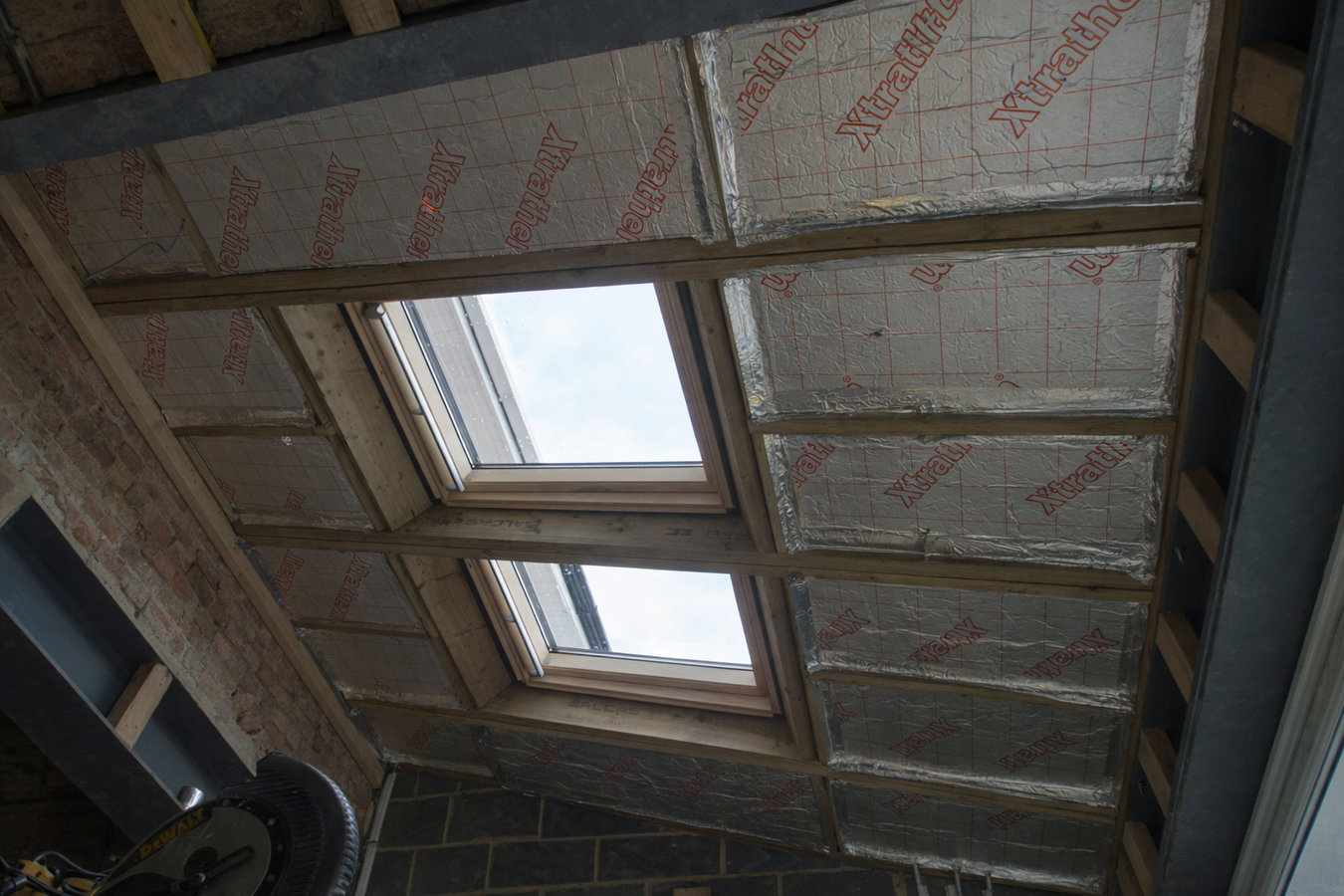
A poorly insulated attic makes your home work twice as hard in every season. We upgrade Kennewick attics so your HVAC can keep up without running all day.
Attic insulation in Kennewick acts as a thermal barrier between your living space and the outdoor temperature extremes - most upgrades are completed in a single day and require no curing time. Without enough of it, heat moves freely in both directions: baking down through your ceiling in summer and escaping outside in winter. The Department of Energy recommends attic insulation rated between R-38 and R-60 for this climate zone, but a large share of Kennewick homes - especially those built before the mid-1990s - fall well short of that.
If your home is more than 25 years old and you cannot recall an insulation upgrade, there is a real chance your attic has less than half of what is now recommended. Settled and thinned insulation in Kennewick's dry, windy climate is common because the conditions here accelerate the compression that happens naturally over time. Pairing a new attic layer with attic air sealing before the insulation goes in is the step most homeowners do not know to ask for - and it makes a bigger difference than the insulation alone.
Benton PUD and Pacific Power, the two main utilities serving Kennewick, have offered energy efficiency rebates for attic insulation upgrades. These programs change from year to year, so it is worth a call to your utility before you schedule any work.
If your electric bill climbs sharply from June through September, your attic may be letting heat pour into your living space. In Kennewick, where temperatures above 100°F are common for weeks at a time, a poorly insulated attic can make your air conditioner run almost constantly, and the bill reflects it.
A large portion of Kennewick's housing stock dates from the 1970s through the early 1990s, when insulation standards were much lower. If you have lived in your home for years and cannot recall anyone adding insulation, the attic likely has less than half of what is recommended today.
When rooms near the top of your home are always too hot in summer or too cold in winter - especially upper-floor bedrooms or rooms directly below the attic - that is often a sign heat is moving through the ceiling unchecked. If you are constantly adjusting the thermostat for one uncomfortable room, the attic is the logical place to start.
A quick look into your attic with a flashlight tells you a lot. If the insulation looks compressed or thin in places - or if you can see gaps around pipes, wires, or light fixtures - the attic is not properly sealed or insulated. Drafts near the attic hatch or pull-down stairs are another easy sign to spot.
Most attic upgrades use blown-in insulation, which fills gaps evenly and covers existing material without disturbing it. This is the right choice for the vast majority of Kennewick attics - it adapts to any layout, reaches tight spots near eaves, and settles evenly over time. For attics where the existing material is water-damaged, contaminated by rodents, or significantly degraded, we remove the old insulation first before installing new material.
Every job starts with an air sealing pass before insulation goes in. Sealing the gaps around light fixtures, plumbing pipes, and wiring penetrations in the attic floor is where most of the energy improvement actually comes from - adding material on top of unsealed gaps does not fix the underlying air leakage. We also confirm your attic vents stay clear throughout the installation, which is critical for moisture management and roof health.
Best for attics with existing material that has settled or thinned - adds depth quickly and evenly without full removal.
For attics with damaged, contaminated, or severely inadequate existing material that must come out before new installation.
The most effective upgrade - seal the air bypasses first, then cover with the right R-value for this climate zone.
Pull-down stairs and attic hatches are common weak points. We insulate and weatherstrip them as part of the project.
Western Washington homeowners deal with rain and mild temperatures - Kennewick homeowners deal with both extremes. Summer highs above 100°F are routine, and winters bring hard freezes and single-digit lows. Your attic is the largest exposed surface in your home, and in Kennewick's climate, it is working against you in both directions for months at a time. Homes that were insulated to the minimum standards of the 1970s and 1980s were never designed to handle this range. The dry conditions here also dry out and compress blown-in material faster than in wetter climates, which means what was adequate ten years ago may have thinned since.
We work on homes throughout the Tri-Cities area, including neighborhoods in Richland and West Richland. The housing stock across this region is similar - a lot of single-story ranch homes built in the 1980s and 1990s where the original attic insulation is now 30 to 40 years old. If your home is in that category, a single attic upgrade can be the change that makes every other system in the house work the way it should. The U.S. Department of Energy's insulation guidance covers recommended R-values by climate zone if you want to compare against your current insulation depth.
We respond within 1 business day. Tell us your address and whether you have noticed specific comfort or energy bill issues. We schedule free in-home estimates rather than quoting over the phone - attic conditions vary too much to price accurately without seeing the space.
We go into the attic to measure what is already there, check for air leaks, and look for moisture damage or pest activity. You get a written quote broken down by labor and materials - not a vague total.
We seal gaps and openings in the attic floor first, then blow in the insulation. You can stay home during the work. Most jobs are done in a single day. The insulation is ready immediately - no curing period.
We show you the finished attic, confirm coverage and vent clearance, and hand you written documentation. We also help you understand what utility rebates may apply so you are not leaving money on the table.
We respond within 1 business day - no obligation, no pressure. After you submit, someone from our office will call to schedule a free on-site estimate. We measure your attic, check what is already there, and give you a written quote before any work begins.
(509) 206-9343Every attic job is completed to Washington State energy code and documented with a coverage report showing depth and R-value. That record gives you clear proof of what was installed for a rebate, a home sale, or your own files.
We schedule free on-site estimates and respond to every inquiry within 1 business day. You get a written quote before any work begins, with no pressure to commit on the same day.
We work on homes across the Tri-Cities region every week. We know the housing stock here - the 1980s ranch homes, the older downtown neighborhoods, the newer Southridge builds - because we insulate all of them.
Every project includes written documentation of what was done, at what depth, and in which areas. That record matters when you refinance, sell, or want to verify the work years from now.
Attic work is one of those jobs where the difference between a careful contractor and a rushed one shows up in your energy bill for years. We treat every attic the same way - measure first, seal before we insulate, check vent clearance, and show you the finished result with a written coverage report.
Blown-in is the most common method for attic upgrades - see how it works and when it is the right choice for your home.
Learn moreAir sealing before new insulation goes in is often the step that makes the biggest difference in comfort and energy savings.
Learn moreSpring and fall book fast in the Tri-Cities - request your free estimate now before the summer heat makes every contractor's schedule tight.