Commercial insulation
Commercial retrofit projects follow a similar process to residential work but are scaled to office, warehouse, and multi-unit buildings that have outgrown their original insulation.
Learn moreServing Kennewick, WA and surrounding areas. (509) 206-9343
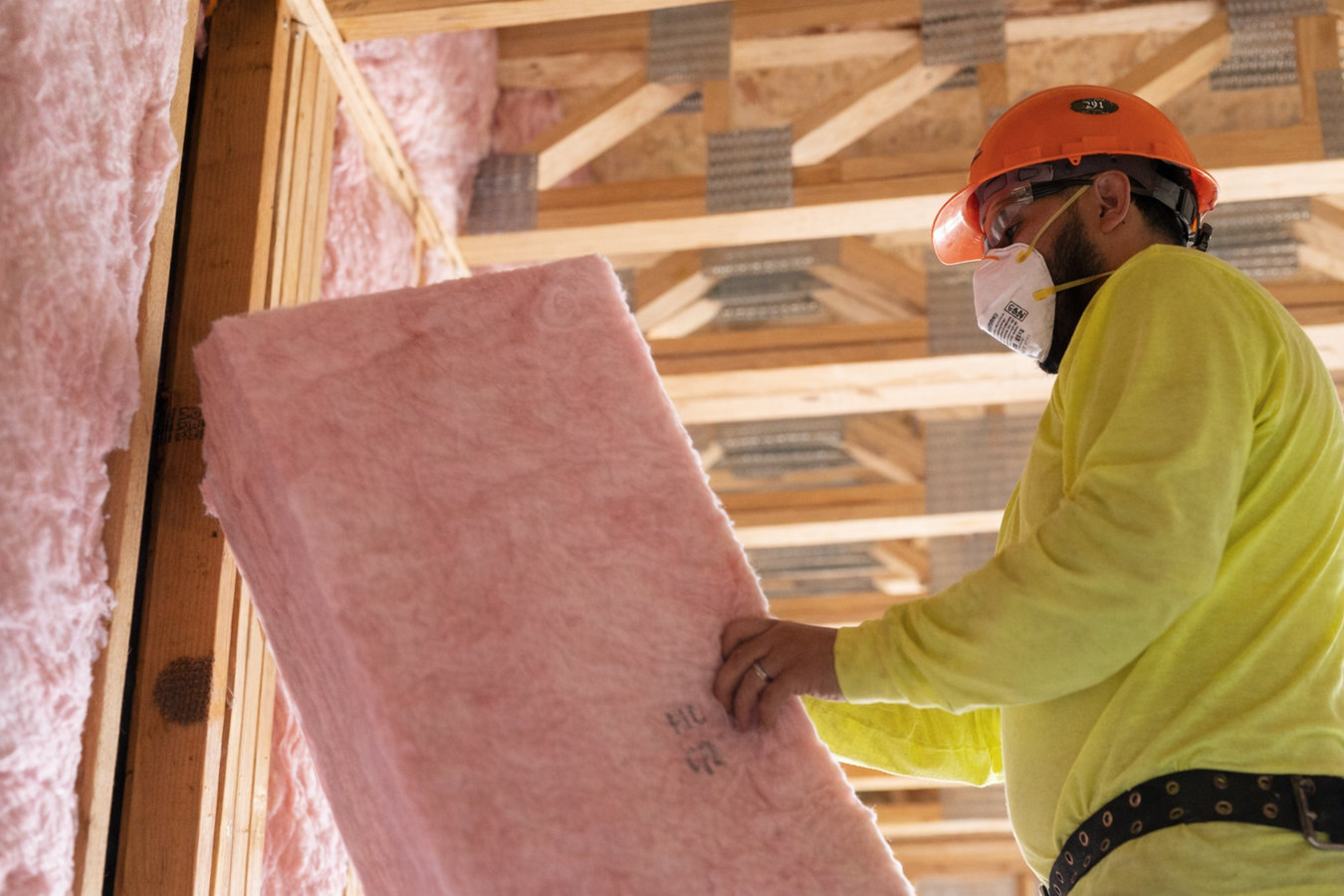
Old insulation means high bills and rooms that never feel right. Retrofit insulation fills the gaps in your existing home without tearing out walls or disrupting your daily life.
Retrofit insulation in Kennewick means adding insulation to a home that is already built - filling in attics, wall cavities, and crawl spaces using methods that cause minimal disruption to your daily life. Most attic jobs are completed in a single day and most homeowners stay in the house throughout. The result is a tighter, more comfortable home that holds its temperature better during Kennewick's 100-degree summers and sub-freezing winters, and a heating and cooling system that does not have to work nearly as hard.
A significant share of Kennewick's residential neighborhoods were built between the 1950s and 1980s, when insulation standards were far lower than what the U.S. Department of Energy recommends today. If your home is from that era and has never been updated, there is a real chance you are paying more on your Benton PUD bill every month than you need to be. Retrofit work does not require tearing anything apart - contractors use blown-in, spray foam, or dense-pack techniques designed specifically for existing homes.
Retrofit insulation is often done alongside home insulation assessments that look at the full picture of where your home is losing conditioned air. Addressing the attic, walls, and crawl space together tends to deliver the biggest improvement per dollar spent - and a single site visit lets a contractor prioritize the areas with the most impact for your specific home.
Kennewick summers routinely push past 100 degrees, and if your air conditioning cannot keep up, an underinsulated attic is often the cause. Heat pours through the ceiling from above and forces your cooling system to run far more than it should. If your utility bill from July or August looks alarming, the attic is the first place to check.
Eastern Washington winters are cold, and if your bills jump sharply from October through February, your home may be losing heat faster than it should. Compare your costs to neighbors with similar-sized homes - a significant gap often points to insulation gaps. Benton PUD's website has tools that let you benchmark your usage against similar homes in the area.
Hold your hand near an electrical outlet on an exterior wall on a cold day - if you feel cool air moving, the wall cavity behind it has little or no insulation. Drafts along baseboards or around window frames tell the same story. These are things any homeowner can check in about five minutes without any tools.
A large share of Kennewick's residential neighborhoods were developed in the postwar decades, and homes from that era were built to much lower insulation standards than what is required today. If you have never had an energy audit or insulation inspection on a home that age, there is a reasonable chance you are losing money every month without realizing it.
We handle retrofit insulation across all three major areas of your home. Attic projects are the most common starting point because the attic is where the most heat escapes in winter and where the most heat enters in summer. We use blown-in loose-fill insulation for most attic retrofits because it covers the entire space evenly without gaps, and it can be added on top of existing material when conditions allow. For many Kennewick homeowners, this single upgrade delivers the most noticeable change in comfort and the clearest reduction in utility bills.
Wall cavities and crawl spaces round out a complete retrofit project. Exterior walls in older Kennewick homes were frequently built with little or no insulation inside the cavity - we use dense-pack or blown-in techniques that fill the cavity through small holes that are patched cleanly after the work is done. Crawl space retrofit insulation is paired with commercial insulation planning where applicable, and always assessed alongside moisture conditions - insulating over a damp crawl space without a vapor barrier first creates more problems than it solves.
Suits homes of any age where the attic falls short of current R-value recommendations - the highest-impact single upgrade in most Kennewick homes.
Suits homes with hollow or underinsulated exterior walls - blown-in or dense-pack foam is installed through small access holes with minimal disruption to finished surfaces.
Suits homes with cold floors and moisture concerns where the crawl space has little or no insulation - often paired with vapor barrier installation for the best result.
Suits homeowners who want to address the attic, walls, and crawl space in a single project - sequenced for efficiency and often the most cost-effective approach per area treated.
Kennewick sits in DOE Climate Zone 5B - a high-desert region where summer temperatures regularly climb above 100 degrees and winter lows drop well below freezing. That is a swing of more than 100 degrees between seasons, and it means your insulation has to work hard in both directions. Homes with thin or missing insulation feel the strain throughout every season, and so do the Benton PUD bills that follow. The ENERGY STAR program recommends that homes in this climate zone prioritize attic air sealing and insulation above all other improvements - and that recommendation fits Kennewick well.
The timing matters too. Kennewick's older neighborhoods - including much of the housing stock near downtown and the riverside areas - were built decades before current code requirements. Homeowners in Richland and Pasco face the same situation across the Tri-Cities - homes built in the same growth periods with the same thin insulation standards. Getting a retrofit assessment done before the peak heating or cooling season is the most practical way to stop paying for gaps you cannot see.
We respond within 1 business day. Tell us your home's age and what has been bothering you - high bills, uncomfortable rooms, or noticeable drafts. You do not need to know anything technical before calling.
A contractor visits to check your attic, crawl space, and any other areas of concern. They measure what is already there, look for air leaks, and note any moisture issues that need to be addressed before insulation goes in. This visit typically takes 30 to 60 minutes.
You receive a written quote covering materials, scope, and total cost. We will flag whether the work qualifies for Benton PUD rebates or federal tax credits before you commit - not after. Getting a second estimate is completely reasonable and expected.
The crew arrives with equipment and completes most attic jobs in a single day. Before leaving they walk you through what was done, show you the finished work, and provide any rebate documentation you need to submit. Most homeowners notice a difference in comfort within the first few weeks.
Free written estimate, no obligation. We respond within 1 business day and can usually schedule your assessment within the week.
(509) 206-9343Kennewick sits in DOE Climate Zone 5B, which requires higher R-values than most of the country because of the region's combination of hot summers and cold winters. We install to the correct specifications for this zone - not a generic national standard that undershoots what this climate actually demands.
Benton PUD has offered rebate programs for qualifying insulation upgrades, and many Kennewick homeowners never take advantage of them because they did not know to ask. We check eligibility before your project starts and provide the documentation you need to submit your rebate - at no extra charge.
Every retrofit is completed to Washington State energy code standards and documented in writing, and we coordinate City of Kennewick permits when a project calls for them. You get a clear record of what was installed without navigating building department paperwork on your own.
We serve all 12 communities in our service area, from Kennewick through the Tri-Cities and beyond to Yakima, Walla Walla, and the Oregon border. Local reach means faster scheduling and a crew that knows what the housing stock looks like in your part of the region.
Retrofit insulation is only as good as the contractor who does the work - and the difference between a thorough job and a rushed one shows up in your utility bills every month. Building Performance Institute standards require contractors to treat a home as a system - not just blow in material and leave - and that philosophy is what separates work that delivers lasting results from work that looks fine until the next heating season.
Commercial retrofit projects follow a similar process to residential work but are scaled to office, warehouse, and multi-unit buildings that have outgrown their original insulation.
Learn moreHome insulation covers the full range of materials and locations for a complete residential project - the broader context for understanding where retrofit work fits in.
Learn moreEvery season without proper insulation costs you money that cannot be recovered - call now before the next billing cycle arrives.