Spray foam insulation
High-performance spray foam that air-seals and insulates in one application.
Learn moreServing Kennewick, WA and surrounding areas. (509) 206-9343
Kennewick Insulation provides attic insulation, crawl space encapsulation, wall insulation, and commercial insulation to Moses Lake homeowners and businesses. We have served the Columbia Basin since 2023, working on residential ranch homes from the 1950s through 2000s, newer subdivisions, and the warehouses and food-processing buildings that are common to this region.
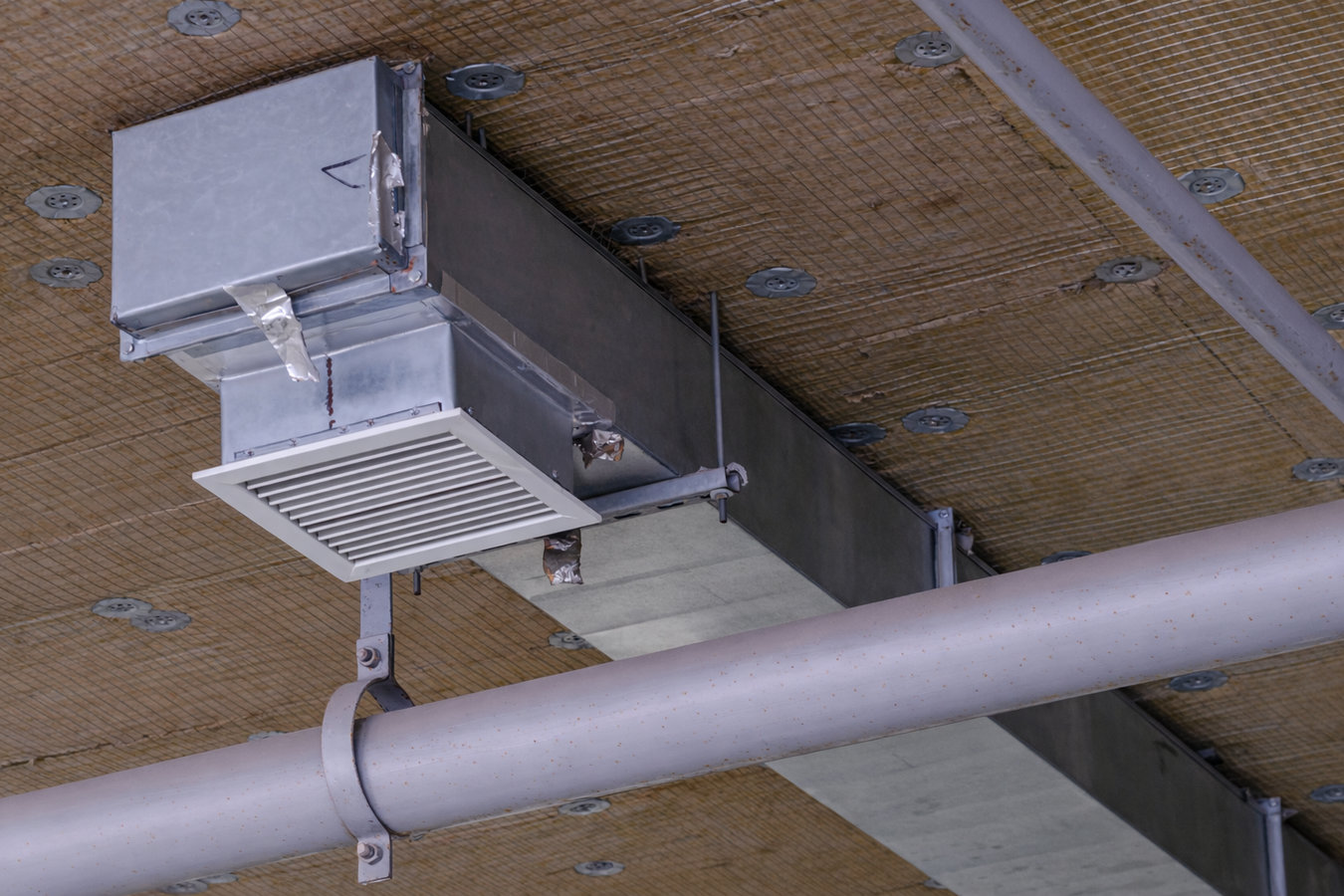
Moses Lake has a significant industrial and commercial base - warehouses, food processing plants, offices, and shops connected to the Port of Moses Lake and local agriculture. Many of these buildings were erected when energy efficiency was not a design priority, and poorly insulated roof decks, walls, and loading docks drive up heating and cooling costs every season. Learn more about commercial insulation services.
Blown-in cellulose or fiberglass is the standard method for topping up attic insulation in Moses Lake's ranch homes and for filling wall cavities on both residential and commercial properties. The material conforms to any framing layout and can reach corners and tight areas that batt insulation cannot access. Most residential attic jobs in Moses Lake finish in a single day.
Most of Moses Lake's single-story homes from the 1950s through 1990s sit on vented crawl spaces that pull in cold Columbia Basin air under the living floors every winter. Insulating between the floor joists and sealing the crawl space keeps floors warmer, reduces furnace runtime, and protects pipes from freezing during the hardest cold snaps.
The sandy, loose soil under most Moses Lake homes shifts seasonally and can carry ground moisture up into the crawl space during spring. Without a properly sealed vapor barrier, that moisture migrates into floor framing and insulation, leading to wood rot, mold risk, and reduced insulation performance over time.
Many of Moses Lake's older wood-frame homes have wall cavities that were never insulated or were only partially filled at the time of construction. Dense-pack blown-in installation fills those cavities from the exterior with minimal disruption and makes a real difference in how the home holds temperature between heating and cooling cycles.
The Columbia Basin sees 100-degree summer days and 20-degree winter nights, and the attic is where temperature extremes transfer most directly into the living space. Upgrading attic insulation from R-19 or R-30 up to R-49 is the single most cost-effective energy improvement for most Moses Lake homes, regardless of building age.
Moses Lake sits in the middle of the Columbia Basin, a high-desert environment with extreme seasonal temperature swings and minimal rainfall. The area receives about 8 inches of precipitation per year, and there is no marine air mass or mountain protection to moderate temperatures. Summer highs routinely reach the low 90s Fahrenheit and occasionally break 100 degrees, while winter lows in January and February regularly drop to the mid-20s or below. That kind of range puts constant pressure on both heating and cooling systems - and a home with thin attic insulation, hollow wall cavities, or an unprotected crawl space transfers those temperature extremes directly into the living space. Moses Lake homeowners feel this in their utility bills every single season.
The bulk of Moses Lake's housing stock was built between the 1950s and 1990s, when the town grew rapidly following the Columbia Basin Project irrigation expansion. The most common home style is the single-story ranch house - low-pitched roofs, attached garages, and simple rectangular layouts sitting on standard suburban lots. These homes were built for affordability and speed, not energy efficiency, and most have crawl spaces susceptible to cold air intrusion, attics with low clearance and inadequate insulation depth, and wall cavities that were never filled at the time of construction. Homes in this age range are now at the point where original insulation has settled, lost R-value, or degraded entirely. The sandy, loose soil common in the Columbia Basin shifts and settles seasonally, causing concrete slabs and crawl space foundations to move, which can open small gaps in the building envelope that allow air infiltration.
Our crew has worked on residential and commercial properties across Moses Lake for several years, and we are familiar with the mix of housing ages and building types that make up this area. The older in-town neighborhoods near downtown Moses Lake have a concentration of postwar ranch homes from the 1950s through 1980s, while the north and east sides of the city have newer subdivisions built from the 1990s through the present. Both age groups have different insulation challenges - older homes often need full attic top-ups and crawl space vapor barriers, while newer homes may be at the stage where original builder-grade insulation is settling and no longer meeting performance expectations.
Moses Lake is the commercial center for the surrounding Columbia Basin farmland, and the Port of Moses Lake on the west side of town includes Grant County International Airport, a facility with one of the longest runways in the country. The city also has major food processing plants, including Lamb Weston, and industrial buildings connected to the regional agricultural economy. We work on commercial insulation projects at warehouses, office parks, and small shops throughout Moses Lake, addressing roof deck, wall, and loading dock insulation on buildings that were erected when energy efficiency was not a design priority.
We also serve neighboring Yakima to the southwest, which is the largest city in the region and shares many of the same insulation needs. Homeowners in Union Gap, a small city just south of Yakima, also have access to our crew on the same service route.
We respond within 1 business day. Let us know what you are experiencing - high bills, cold floors, drafty rooms, or a commercial building with comfort problems - and we will schedule a free on-site visit at your convenience.
We inspect the attic, walls, and crawl space (for residential) or roof deck, walls, and mechanical spaces (for commercial), measure actual insulation depth and R-values in each area, and check for air sealing issues. You receive a written, itemized estimate at the end of the visit with no obligation.
Most residential blown-in attic jobs in Moses Lake finish in one day. Crawl space and wall dense-pack projects typically take one to two days. Commercial projects vary by building size - we coordinate timing to minimize disruption to your operations.
Before we leave, we confirm insulation depths and air sealing completed, and walk you through everything done. You receive written documentation of materials and R-values, which is useful for utility rebate programs, commercial property records, and future home sales.
We serve residential and commercial properties across Moses Lake and the Columbia Basin. No obligation. Written estimate at your first visit.
(509) 206-9343Moses Lake is a city of about 25,000 people in Grant County, located in the middle of Washington State in the Columbia Basin. The city sits on the shores of Moses Lake itself, a large, branching body of water that winds through town and is used for boating, fishing, and recreation by locals year-round. Moses Lake grew rapidly in the 1950s and 1960s following the completion of the Columbia Basin Project, which brought irrigation water to the region and transformed the surrounding desert into productive farmland. Today, the city is a regional commercial center with a mix of residential neighborhoods, food processing plants, and industrial facilities. Home values and household incomes in Moses Lake are below Washington State averages, making the city an affordable option for working families. Residentially, the most common property type is the single-story ranch house, though newer subdivisions on the north and east sides of town have added a range of more modern construction.
Most of Moses Lake's older housing stock dates from the 1950s through the 1990s, when the city was growing alongside the region's agricultural expansion. These homes - primarily wood-frame construction with vinyl siding or stucco exteriors - were built quickly and affordably, and insulation was not a design priority at the time. Many homes have original single-pane windows, minimal attic insulation depth, and uninsulated wall cavities. Newer construction on the edges of Moses Lake meets more modern energy codes but is now aging out of builder warranties and beginning to show the need for insulation upgrades. Nearby Selah to the southwest has a similar postwar ranch-home housing stock, and homeowners in both communities often have the same insulation upgrade needs.
High-performance spray foam that air-seals and insulates in one application.
Learn moreKeep heat in during winter and out during summer with proper attic insulation.
Learn moreLoose-fill insulation blown into attics, walls, and hard-to-reach areas.
Learn moreWhole-home insulation solutions to improve comfort and reduce energy bills.
Learn moreSafe removal of old, damaged, or contaminated insulation materials.
Learn moreInsulate and condition your crawl space to prevent moisture and heat loss.
Learn moreInterior and exterior wall insulation for new builds and existing homes.
Learn moreSeal air leaks throughout your home to cut drafts and energy waste.
Learn moreBasement wall and rim joist insulation to improve efficiency and comfort.
Learn moreDense, moisture-resistant closed-cell foam for maximum R-value per inch.
Learn moreFlexible, sound-dampening open-cell foam for interior walls and attics.
Learn moreSeal attic bypasses before insulating to stop conditioned air from escaping.
Learn moreHeavy-duty vapor barriers to protect crawl spaces from ground moisture.
Learn moreProfessional vapor barrier installation for crawl spaces, basements, and walls.
Learn moreUpgrade insulation in existing homes without major renovations.
Learn moreCommercial-grade insulation for offices, warehouses, and multi-family buildings.
Learn moreServing these cities and communities.
Call us or submit a request today - we respond within 1 business day and offer free on-site estimates with no obligation for Moses Lake homeowners and commercial property owners.