Spray foam insulation
High-performance spray foam that air-seals and insulates in one application.
Learn moreServing Kennewick, WA and surrounding areas. (509) 206-9343
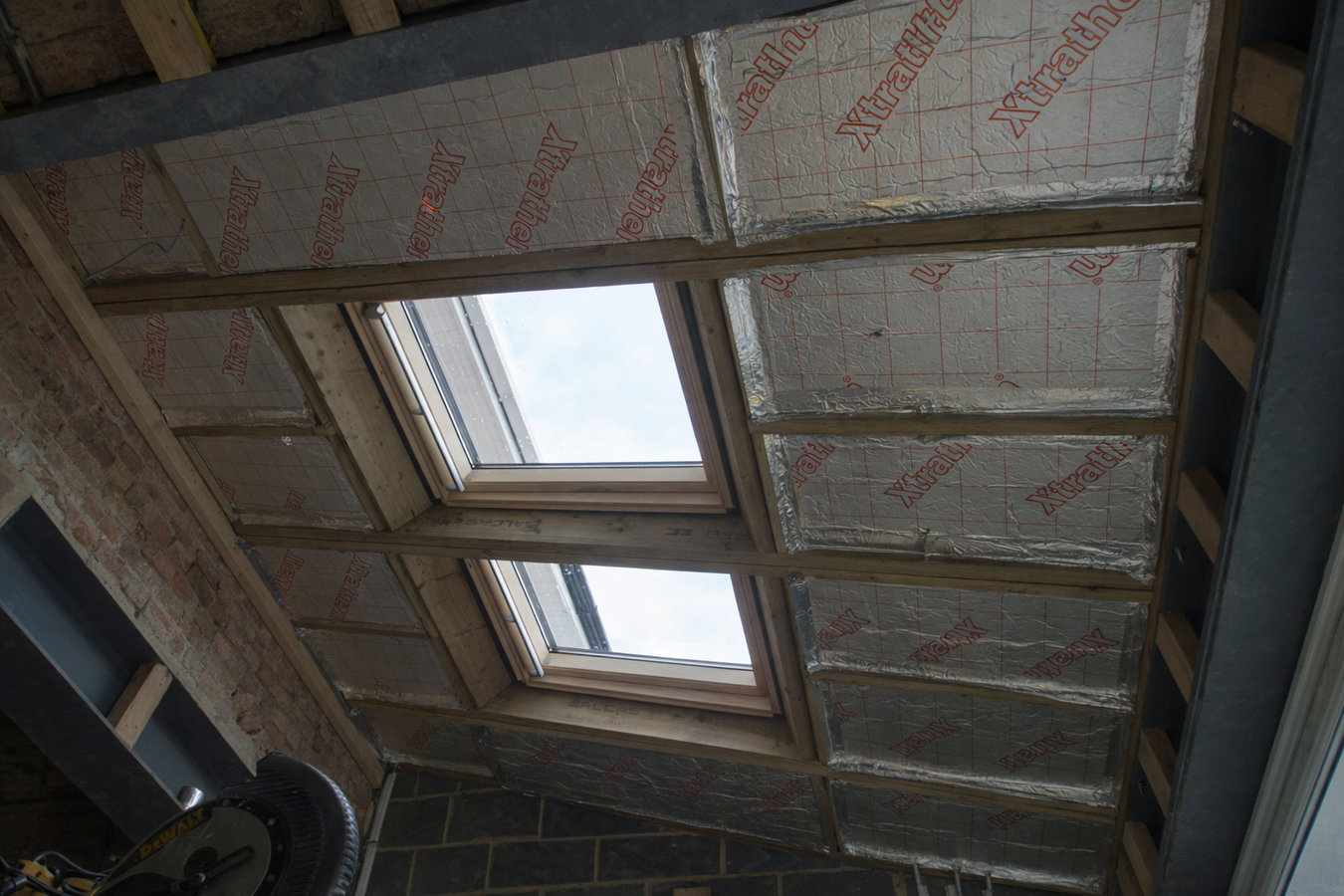
Kennewick Insulation provides attic insulation, wall insulation, and crawl space encapsulation to Walla Walla homeowners. We have served the eastern Washington region since 2023 and are familiar with the craftsman bungalows, historic properties, and newer subdivisions that make up this city.
Walla Walla's 70-degree seasonal temperature swing - from sub-freezing January nights to 95-plus-degree July days - hits hardest through the attic. Bringing attic insulation up to R-38 or R-49 levels cuts both heating and cooling costs in the same year. Learn more about our attic insulation services.
Craftsman bungalows and older two-story homes near Whitman College and downtown Walla Walla were built with minimal or no wall insulation. Dense-pack blown-in is the standard fix - it is installed through small drilled holes without disturbing the original wood siding or interior plaster, which matters in historic neighborhoods.
For Walla Walla attics with existing insulation that has settled or degraded, blown-in cellulose or fiberglass is the fastest way to restore depth without a full tear-out. The method works equally well on homes built in the 1920s and homes built in the 1990s, and it is gentle enough for attics with older framing.
Many Walla Walla homes have vented crawl spaces that become cold-air chambers every winter and moisture traps during spring rains. Insulating and encapsulating the crawl space stops floor heat loss, protects pipes from freeze damage during cold snaps, and blocks the moisture that Walla Walla's wet-spring, dry-summer climate pushes up from bare ground.
Older homes in Walla Walla have decades of gaps around plumbing, wiring, and framing that let heated air escape straight into the attic or crawl space. Air sealing before adding insulation depth multiplies the effectiveness of every other improvement. Wind events common to eastern Washington make tight sealing especially important for homes on exposed lots.
Walla Walla sits in the rain shadow of the Cascades, receiving only 13 to 14 inches of rain per year. Winters bring cold snaps with January lows in the mid-20s Fahrenheit, and repeat freeze-thaw cycles through February and March. Summers push temperatures above 95 degrees regularly, with stretches above 100 degrees occurring most years. A home without adequate insulation fights both extremes at once - running heating systems hard from November through March, then cooling systems from June through September. The result shows up in utility bills that are higher than they need to be in every season. According to the U.S. Department of Energy, insulation is one of the most cost-effective improvements a homeowner can make.
Walla Walla's housing stock adds another layer of complexity. A significant share of the city's homes were built before 1960, with many dating back to the 1910s through 1940s. These older properties - craftsman bungalows near Whitman College, brick homes near downtown, and farmhouse-style houses in the older residential streets - were built with wood-framed walls and little or no cavity insulation by today's standards. Original plaster ceilings and limited attic access make upgrades more involved than in newer construction. At the same time, rental properties and landlord-owned homes near the Whitman College campus often have deferred insulation work that makes them uncomfortably cold in winter and hot in summer.
We are familiar with the building types that appear most often in Walla Walla - particularly the craftsman bungalows on Boyer Avenue and College Avenue near Whitman College, the brick homes in the blocks surrounding downtown Main Street, and the newer single-family homes in subdivisions on the east side of the city. The older homes require more prep work - cleaning out deteriorated original insulation, sealing plaster bypasses, and sometimes building temporary baffles to protect soffit venting before we add depth. We account for all of that in the estimate upfront.
Walla Walla is compact enough that we navigate it quickly: Isaacs Avenue, Ninth Avenue, and Wilbur Avenue are the main residential corridors, and the Fort Walla Walla Museum sits on the western edge of the city near where the older and newer neighborhoods meet. The Whitman Mission National Historic Site is a few miles west of downtown and is familiar to nearly every local homeowner. We serve jobs throughout the city - from the historic blocks near downtown to the newer subdivisions near the Walla Walla Regional Airport.
Our work extends into neighboring College Place, which shares a seamless border with Walla Walla along College Avenue and Isaacs Avenue. We also serve homeowners in Pendleton, OR, about 45 miles to the south, which faces similar high-desert climate conditions.
We respond within 1 business day. Describe the rooms or areas that feel drafty or uncomfortable. No photos required - we will see everything during the on-site visit.
We inspect the attic, walls, and crawl space, measure existing insulation depth, and identify air sealing issues. You receive a written, itemized estimate with no pressure to decide on the spot.
Most attic blown-in jobs in Walla Walla finish in a single day. Wall dense-pack and crawl space projects typically take one to two days. You do not need to vacate your home for blown-in work.
Before we leave, we walk you through the completed work and confirm insulation levels achieved. You receive written documentation that is useful for utility rebate applications and future home sales.
We serve all of Walla Walla - from the craftsman blocks near downtown to the newer subdivisions on the east side. Free estimates, no pressure.
(509) 206-9343Walla Walla is a city of roughly 32,000 to 34,000 people in the southeastern corner of Washington State, known regionally for its wine industry and historic downtown. The city is home to more than 100 wineries in and around the Walla Walla Valley, which has drawn professionals, retirees, and long-term owner-occupants who invest in their properties. The downtown historic district - including the brick commercial buildings and older residential streets near Main Street - is listed on the National Register of Historic Places. Whitman College, founded in 1882, anchors the central residential neighborhood and is surrounded by craftsman bungalows and older two-story homes that are familiar landmarks to anyone who has spent time here.
Housing in Walla Walla spans a wide range of eras - from early 1900s brick homes and 1930s craftsman bungalows near downtown to ranch-style homes from the 1950s and 1960s in the established neighborhoods, and newer subdivisions on the east and south edges of the city built in the 1990s through 2010s. Roughly 40 to 45 percent of housing units are renter-occupied, partly because of Whitman College and partly because of the agricultural workforce in the region. Homeowners in neighboring College Place, which borders Walla Walla on the west side, share many of the same building stock characteristics and climate challenges.
High-performance spray foam that air-seals and insulates in one application.
Learn moreKeep heat in during winter and out during summer with proper attic insulation.
Learn moreLoose-fill insulation blown into attics, walls, and hard-to-reach areas.
Learn moreWhole-home insulation solutions to improve comfort and reduce energy bills.
Learn moreSafe removal of old, damaged, or contaminated insulation materials.
Learn moreInsulate and condition your crawl space to prevent moisture and heat loss.
Learn moreInterior and exterior wall insulation for new builds and existing homes.
Learn moreSeal air leaks throughout your home to cut drafts and energy waste.
Learn moreBasement wall and rim joist insulation to improve efficiency and comfort.
Learn moreDense, moisture-resistant closed-cell foam for maximum R-value per inch.
Learn moreFlexible, sound-dampening open-cell foam for interior walls and attics.
Learn moreSeal attic bypasses before insulating to stop conditioned air from escaping.
Learn moreHeavy-duty vapor barriers to protect crawl spaces from ground moisture.
Learn moreProfessional vapor barrier installation for crawl spaces, basements, and walls.
Learn moreUpgrade insulation in existing homes without major renovations.
Learn moreCommercial-grade insulation for offices, warehouses, and multi-family buildings.
Learn moreServing these cities and communities.
Before another summer of high cooling bills, find out exactly where your home is losing conditioned air - no charge for the assessment.