Retrofit insulation
Retrofit insulation adds R-value to floors, walls, and ceilings in existing homes - often the next step after vapor barrier installation when moisture is under control and energy efficiency is the goal.
Learn moreServing Kennewick, WA and surrounding areas. (509) 206-9343
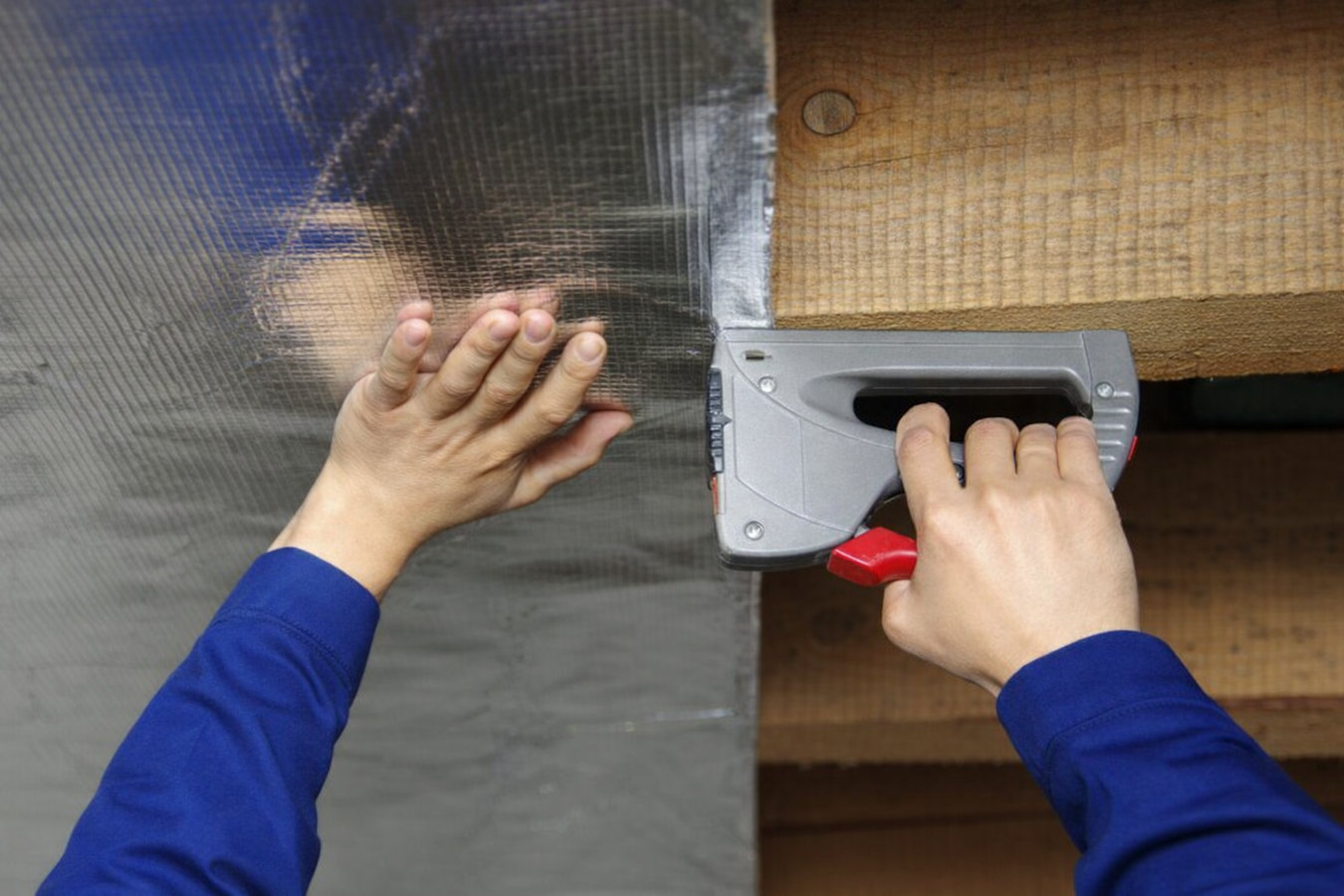
Ground moisture rising through your crawl space silently damages floor joists, raises energy bills, and causes musty odors. A properly installed vapor barrier stops it at the source.
Vapor barrier installation in Kennewick means laying reinforced plastic sheeting across your crawl space floor - and in some cases the walls - to block ground moisture from rising into your home's floor structure. Most jobs take one to two days and the crew works entirely under the house. The result is a crawl space that stops moisture at the source rather than letting it silently damage wood joists, raise your energy bills, and create the musty smell that is often mistaken for a plumbing problem.
Kennewick's dry climate misleads a lot of homeowners into thinking ground moisture is not a concern here. But the Columbia Basin's extensive irrigation network - serving farms, lawns, and landscaping across Benton County - keeps the soil under homes much wetter than the low rainfall would suggest. The U.S. Department of Energy recommends vapor barriers in all unconditioned crawl spaces, and homes in irrigated areas like Kennewick have especially strong reasons to make sure this protection is in place - and in good condition.
Vapor barrier installation is often paired with retrofit insulation work - once moisture is under control at the crawl space floor, adding floor insulation above it extends the benefits into measurably lower heating and cooling costs. We can assess both in the same visit and sequence the work so each step builds on the last.
A damp, earthy odor inside your home - especially in rooms over the crawl space - is almost always moisture rising from below. In Kennewick, this gets worse during and after irrigation season when surrounding soil is saturated. If you notice the smell peaking from spring through late summer, ground moisture in the crawl space is almost certainly the source.
When wood floor joists absorb moisture over time, they weaken and flex more than they should. If areas of your floor feel softer underfoot, bounce slightly when you walk, or sit slightly lower than the surrounding floor, moisture damage to the structure below is a likely cause. This is especially common in older Kennewick homes built before modern moisture standards were in place.
If you have ever looked into your crawl space and seen plastic sheeting that is torn, bunched up, or only partially covering the ground, what is there is not doing its job. Many Kennewick homes have original barriers that are decades old and have degraded significantly. Even a barrier that looks mostly intact may have gaps at the seams or edges where moisture is still getting through.
A damp crawl space makes your home harder to heat and cool because moisture conducts heat away from your living space more efficiently than dry air. If your energy bills seem high relative to your neighbors or have crept up without an obvious explanation, a compromised crawl space is worth investigating. This pattern is particularly common in Kennewick homes that were built without adequate moisture control.
The right approach to vapor barrier installation depends on what your crawl space actually looks like. Many Kennewick homes need a straightforward new installation - the entire ground floor covered with reinforced plastic, seams overlapped by at least 12 inches, sealed with tape, and edges run up the foundation walls. This is the correct baseline, and material thickness matters: a 10- to 20-mil reinforced liner holds up far better through Kennewick's seasonal temperature swings than a basic 6-mil sheet that can tear within a few seasons. Getting the seams and edges right is where many cheaper installations fail - unsealed seams let through nearly as much moisture as no barrier at all.
For homes with more serious problems - standing water, visible mold, or high humidity that a ground cover alone cannot resolve - we can step up to full crawl space encapsulation, which adds wall coverage and sometimes a dehumidifier. Homes with existing barriers that are mostly intact but have localized damage can often be repaired without a full replacement, which saves time and money when the underlying material is still sound. If you are also dealing with the broader question of crawl space vapor barrier options - including whether a basic barrier or full encapsulation fits your situation - we walk through the trade-offs honestly during the estimate visit.
Suits homes with no existing barrier or bare soil - a full installation with reinforced plastic covering the entire crawl space floor and sealed edges at the foundation walls.
Suits homes with old, torn, or inadequate existing material - the deteriorated plastic is removed and a new, properly sealed liner is installed in its place.
Suits homes with persistent humidity or standing water where ground cover alone is not enough - adds wall coverage, sealed vents, and sometimes a dehumidifier for complete moisture control.
Suits homes where the existing barrier is mostly sound but has localized tears or failed seams - targeted repairs restore coverage without a full reinstallation.
One of the most consistent patterns we see in Kennewick is homeowners who are surprised to find significant moisture damage under their home after years of dry weather above ground. The Kennewick Irrigation District and surrounding agricultural irrigation infrastructure keeps the Columbia Basin soil much wetter than the 8 inches of annual rainfall would suggest. Ground moisture wicks upward through the sandy, loamy soil characteristic of this region - moving into crawl spaces steadily throughout the year, not just during wet weather. Homes built in the 1960s and 1970s, which make up a large share of Kennewick's housing stock, frequently went in without any vapor barrier at all. Getting a proper in-person assessment and a written scope before signing anything is one of the most important steps a homeowner can take.
Kennewick's seasonal temperature range - from summer highs over 100 degrees Fahrenheit to winter nights well below freezing - stresses older plastic sheeting over time, opening seams and creating gaps even in barriers that were properly installed years ago. This is why periodic inspection matters and why we use reinforced material rated to hold up through those extremes. Homeowners across Pasco and Kennewick face the same Columbia Basin soil and irrigation conditions, and we work throughout both communities regularly.
We respond within 1 business day. Tell us your home's age and any moisture problems you have noticed - musty smells, cold floors, or visible damage. You do not need to know anything technical before calling.
A contractor accesses your crawl space and checks the size, condition of any existing barrier, signs of moisture damage, and how the space is ventilated. This visit is free and typically takes 30 to 60 minutes.
You receive a written quote covering exactly what will be done, what materials will be used, and the total cost. Ask whether old barrier removal is included - a transparent estimate spells this out before you commit.
The crew removes any old material, prepares the crawl space floor, installs the new barrier with properly sealed seams and wall edges, and walks you through photos of the completed work. Most homes are done in one day.
We come out, look under your home, and give you a written quote. No pressure, no upselling - just a straight answer about what your crawl space actually needs.
(509) 206-9343Kennewick's Columbia Basin location means the soil under your home stays wetter than the dry climate suggests, especially during the spring and summer irrigation season. We install material and seam techniques suited to sustained ground moisture - not just occasional wet weather - so the barrier keeps doing its job year after year.
Every job starts with a physical crawl space inspection and ends with documentation of exactly what was installed. That written record gives you a clear reference for a home sale disclosure or your own files - the kind of accountability you should expect from anyone working under your home.
A large share of Kennewick's homes were built in the 1960s and 1970s with no vapor barrier at all. We regularly work in these older crawl spaces - tight clearances, decades of debris, and crumbling original plastic are familiar territory, not unexpected complications that delay your project.
We work in all 12 service communities in our area, from Kennewick through the Tri-Cities and beyond to Yakima, Walla Walla, and the Oregon border. Local reach means faster scheduling and a crew that knows what the housing stock looks like in your part of the region.
Every job starts with a physical inspection before any recommendation is made - no quoting from the driveway or guessing at what a crawl space looks like without going in. That combination of proper assessment, an experienced crew, and honest scoping is what separates a vapor barrier that lasts 20 years from one that needs to be redone in five.
Retrofit insulation adds R-value to floors, walls, and ceilings in existing homes - often the next step after vapor barrier installation when moisture is under control and energy efficiency is the goal.
Learn moreA crawl space vapor barrier focuses specifically on ground cover moisture control - the core component of vapor barrier installation and the right starting point for most Kennewick homes.
Learn moreIrrigation season brings the heaviest ground moisture pressure of the year - schedule your free estimate now and get ahead of it before the next cycle starts.