Spray foam insulation
High-performance spray foam that air-seals and insulates in one application.
Learn moreServing Kennewick, WA and surrounding areas. (509) 206-9343
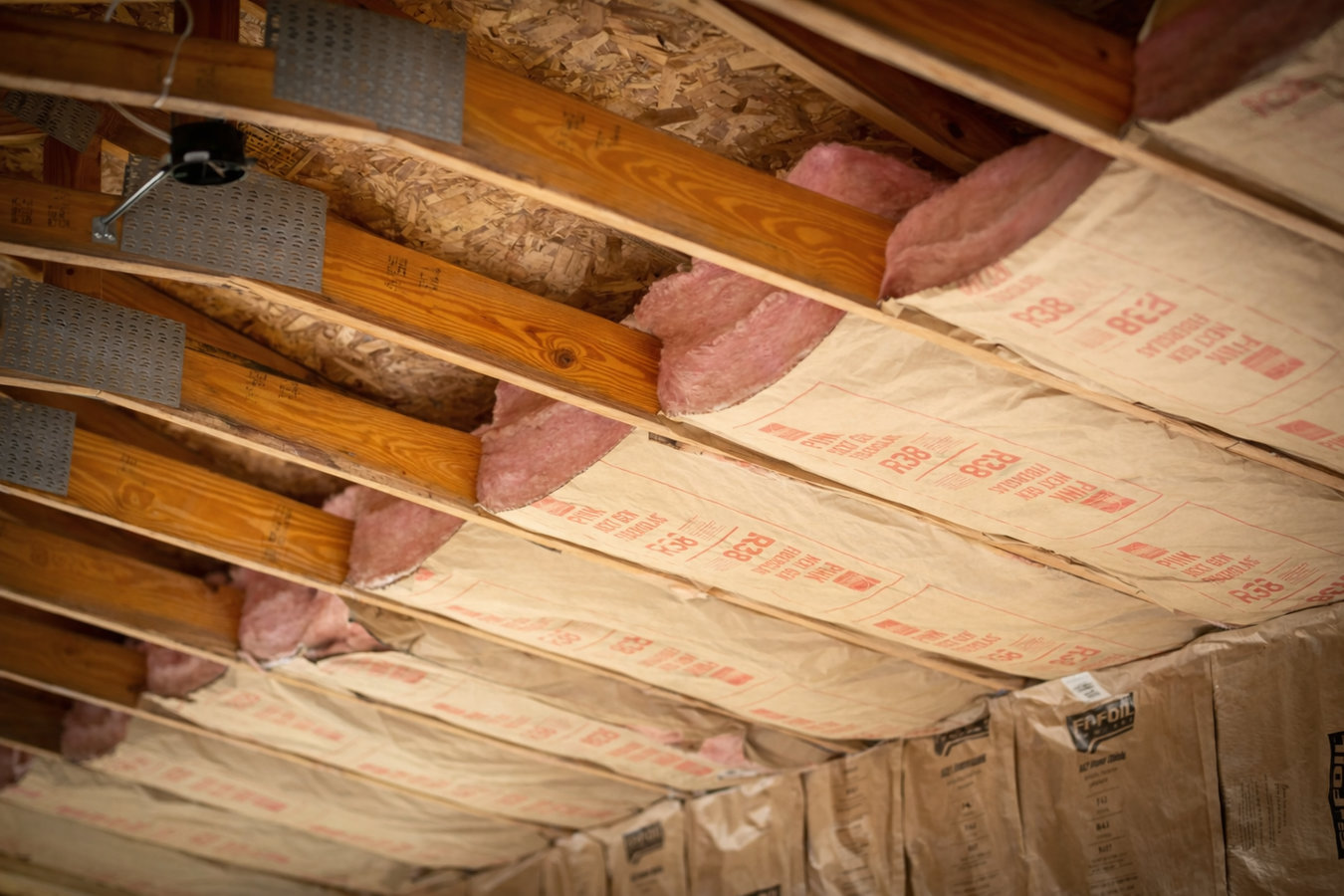
Kennewick Insulation serves College Place homeowners with whole-home insulation, crawl space encapsulation, and attic upgrades. We have worked throughout the Walla Walla Valley since 2023 and know the postwar housing stock and newer subdivisions that make up most of College Place.
Most College Place homes built between the 1950s and 1990s have insulation that has settled well below current R-value targets, and the semi-arid Walla Walla Valley climate - with freezing winters and 100-degree summers - demands more than minimum coverage. A whole-home insulation assessment identifies the attic, walls, and crawl space gaps that are costing you the most. Learn more about our home insulation services.
Ranch-style homes in College Place's postwar neighborhoods sit on vented crawl spaces that allow cold air in during winter and ground moisture in year-round. Insulating and encapsulating the crawl space stops floor heat loss, protects water pipes from freeze damage during hard freezes, and eliminates the moisture pathway that dry-to-wet seasonal soil cycles create under the valley floor.
The attic is the single highest-return insulation investment in any College Place home. Summer temperatures in the Walla Walla Valley regularly reach the 90s and above, and an under-insulated attic radiates that heat down into living spaces long after sunset. Bringing attic insulation to R-38 to R-49 levels cuts cooling costs in summer and heating costs in winter - both in the same year.
Blown-in cellulose or fiberglass is the most practical solution for adding depth to existing College Place attics without disturbing flooring or ceiling finishes. For older homes near Walla Walla University with limited attic access or original plaster ceilings, it is also the lowest-disruption option for wall cavity upgrades using dense-pack through small drilled holes.
College Place receives only about 12 to 13 inches of rain per year, but the dry-wet seasonal cycle causes soil under crawl spaces to expand and contract. A properly installed vapor barrier keeps ground moisture from wicking upward into floor framing, reduces humidity in the crawl space, and extends the life of wood structural members that sit close to grade.
College Place sits in the semi-arid Walla Walla Valley, receiving only about 12 to 13 inches of rain per year. Winters bring hard freezes regularly from November through February, and the freeze-thaw cycle through late winter and early spring stresses crawl space vapor barriers, concrete flatwork, and foundation walls. Summers are hot and dry - temperatures reach the 90s and above most years, with occasional stretches above 100 degrees. With almost no summer rainfall, the soil under homes shrinks and shifts, then expands again when moisture returns in fall. That seasonal movement puts pressure on crawl space structures and on any insulation or barrier systems installed near grade. According to the ENERGY STAR program, homes in climates with wide seasonal temperature swings gain the most from proper insulation and air sealing.
The bulk of College Place's housing stock was built between the 1950s and 1990s - ranch-style and two-story homes on modest lots with wood-frame construction and a mix of vinyl siding, wood siding, and stucco. Insulation in these homes was installed to the standards of their era, which are well below what is practical for this climate today. Original batts in attics and crawl spaces have often compressed, shifted, or deteriorated after several decades. Homes closest to Walla Walla University include some of the oldest properties in the city - buildings from the early 1900s that may have little or no wall insulation in their original framing.
We are familiar with College Place as its own city - not just an extension of Walla Walla. The homes we see most often here are wood-frame single-family houses from the postwar decades, many of them on streets surrounding Walla Walla University, and newer builds in subdivisions on the south and east edges of the city. The older homes near campus require careful prep - checking for compressed or rodent-damaged batt insulation before adding any depth, and making sure crawl space access is clear before we encapsulate. The newer homes from the 1990s and 2000s often have crawl spaces that were vented at construction but never upgraded to a sealed system.
College Place is compact and easy to navigate. College Avenue and Isaacs Avenue are the main east-west roads connecting College Place to Walla Walla, and most residents cross that border daily for work or errands. The city has its own incorporated government, building code administration, and permit process separate from Walla Walla, which is worth knowing if your project requires permitting. We handle that coordination when it is needed.
We serve neighbors in Walla Walla, which shares College Place's border and has similar housing types and climate conditions. We also work in Hermiston, OR, about 50 miles to the south, where dry-climate insulation needs are comparable to those here in the Walla Walla Valley.
We respond within 1 business day. Tell us which rooms or areas feel uncomfortable. No need to prepare anything - we check everything during the visit.
We inspect the attic, crawl space, and walls, measure existing insulation depth, and look for air sealing gaps. You get a written, itemized estimate with no obligation to proceed the same day.
Most attic blown-in jobs in College Place are done in a single day. Crawl space encapsulation typically takes one to two days. You do not need to leave your home for blown-in attic or wall work.
We walk you through the completed work before leaving and confirm the insulation levels installed. You receive written documentation that is useful for utility rebate programs and future home sales.
We serve all of College Place - from the neighborhoods near Walla Walla University to the newer streets on the edges of town. No pressure, no obligation.
(509) 206-9343College Place is a small city of about 9,000 people in Walla Walla County, sitting directly west of the city of Walla Walla. The city exists because of Walla Walla University, a Seventh-day Adventist institution founded in 1892, which anchors the center of the community and draws long-term residents, faculty, and retirees who put down roots here. The homeownership rate is relatively high for a small city - roughly 55 to 60 percent of households own their homes - which means most residents have a real stake in keeping their properties in good condition. College Place is surrounded by the vineyards and agricultural land of the Walla Walla Valley, one of Washington's most recognized wine regions.
Most of the city's housing is single-family detached homes on modest lots, with a mix of ranch-style houses from the postwar decades and newer two-story homes in subdivisions built through the 1990s and 2000s. The neighborhoods closest to the university include some of the city's oldest homes, while the outer edges of College Place have more recently built construction. College Place shares a seamless daily-life border with Walla Walla- most residents cross between the two cities regularly, and both share the same high-desert climate that makes proper insulation a practical priority for every homeowner in the valley.
High-performance spray foam that air-seals and insulates in one application.
Learn moreKeep heat in during winter and out during summer with proper attic insulation.
Learn moreLoose-fill insulation blown into attics, walls, and hard-to-reach areas.
Learn moreWhole-home insulation solutions to improve comfort and reduce energy bills.
Learn moreSafe removal of old, damaged, or contaminated insulation materials.
Learn moreInsulate and condition your crawl space to prevent moisture and heat loss.
Learn moreInterior and exterior wall insulation for new builds and existing homes.
Learn moreSeal air leaks throughout your home to cut drafts and energy waste.
Learn moreBasement wall and rim joist insulation to improve efficiency and comfort.
Learn moreDense, moisture-resistant closed-cell foam for maximum R-value per inch.
Learn moreFlexible, sound-dampening open-cell foam for interior walls and attics.
Learn moreSeal attic bypasses before insulating to stop conditioned air from escaping.
Learn moreHeavy-duty vapor barriers to protect crawl spaces from ground moisture.
Learn moreProfessional vapor barrier installation for crawl spaces, basements, and walls.
Learn moreUpgrade insulation in existing homes without major renovations.
Learn moreCommercial-grade insulation for offices, warehouses, and multi-family buildings.
Learn moreServing these cities and communities.
A free on-site assessment shows you exactly where your home is losing heat in winter and gaining it in summer - and what it will take to fix it.